
So you live in old house and you want to learn more about its history. Perhaps you heard it was a stop on the underground railroad, or you heard George Washington passed by on his way to Trenton, or you are interested in its architecture, whatever your reason may be, it is actually easy to trace your home’s “genealogy.”
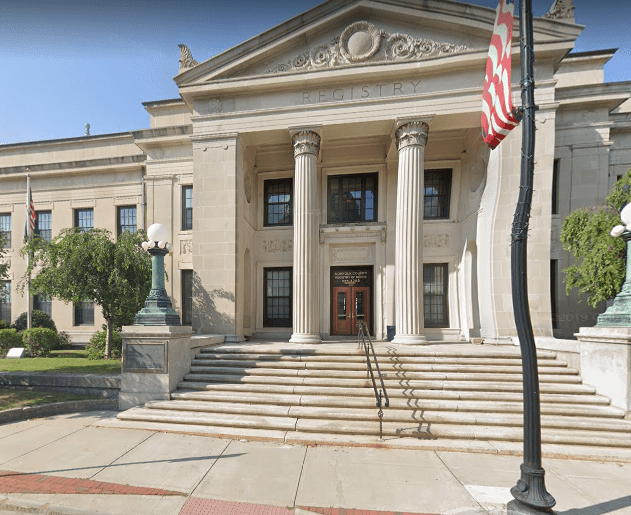
The best place to start is your county deeds office where land deeds are filed. You can physically go there, but before you do, check to see if they offer online research. That way you can perform your search from the comfort of your own home! The first thing you will need is the book number and the page number where your deed is recorded. You can find that in the Grantor/Grantee index book. Once you have located your deed, read through it. You will find a reference to the book and page number for the sale of your home from when the previous owners purchased it. Keep working your way back until you find it was a piece of land with no structures on it. This will give you a good date for the construction of your house.
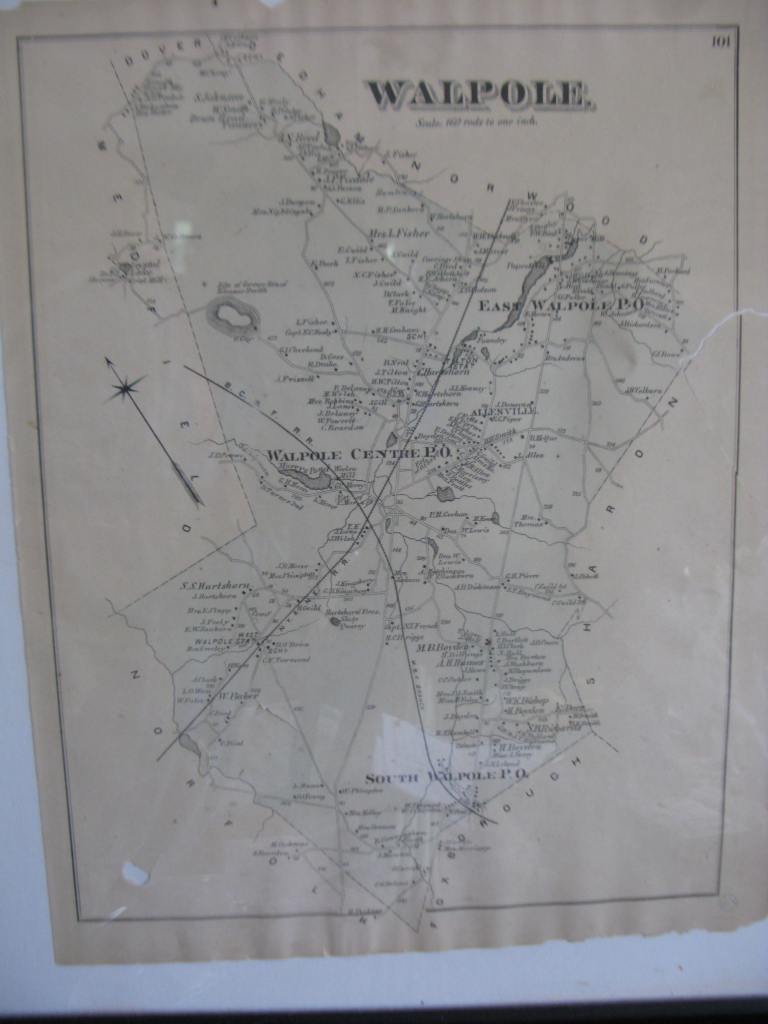
You can also refer to maps. Some maps can be found on file at the county deed office too. Very often when new streets are laid out or a new house or development is to be constructed, builders have to file plans, and those plans often include existing structures. Historical maps are also helpful as they sometimes include the structures, and they may have the added bonus of naming the owner of the home. Looking at maps was extremely helpful for my search, as the property had once been 40 acres, and now is less than one acre. Studying old boundaries and the neighborhood changes over 200 years helped me better understand my property.
Once you know all the owners of your home you can research them. FamilySearch.org will have census records and vital records that will help you reconstruct family who used to live in your home. This technique was very helpful for me. The two daughters of the original owner inherited my house; one daughter had died, so her seven children inherited her half. These children sold their shares back and forth. Following the various purchases and sales was tricky, especially as a few of the transactions were never recorded in county deeds. By reconstructing the family, I was able to figure out the sibling relationships. I also followed up probate court where I pulled wills for the various family members.
Once you have a good picture of the past owners of your home, you can visit your local library or reach out to your local historical society. They may have information on the families who owned your home, they may know if your home has any historical importance, or they may have pictures of your house from way back when.
Visiting your local library may turn up books on local history or general architecture. Having a working knowledge of house styles and trends may also help date your house. How the house is constructed? Is it post and beam? Is it stick built? Is it made from a kit? The answers to these questions will help you confirm the age of your home. It will also help you identify original details you may now want to preserve. I found in a published record that for one season, the original owners of my house allowed it to be the school for the local children. So my house may not really be a schoolhouse….but this is still an interesting tidbit!

You do not really have to hire a professional to trace the age of your home. Honestly, I do not think it is that hard to do, but it does take time and perseverance. If you do the work, you will know your house’s history, you will not question a finding or wonder if your hired researcher left something out. But mostly you can take pride in your research and know you did a good job!
 Laurie L. Kearney