
When one is researching genealogy, it is not uncommon to find many ancestors with a prefix or a suffix in their names. Of course, we are familiar with Mr., Mrs., and Dr., because these prefixes are used in the same way today. Some suffixes that we are familiar with, such as Esq., and Jr., were used very differently in the eighteenth century than they are used today. Knowing how they were used and when the usage change occurred as well as what they meant is important because it will make your research accurate.
Today, when a son is named after his father the suffix “Jr.” follows the name. Even long after the father has died, the son uses the “Jr.” after his name. Should this son also name his son after himself, then the suffix “III” follows the name. I once met a “XIV”! It should be noted this is a modern day convention.

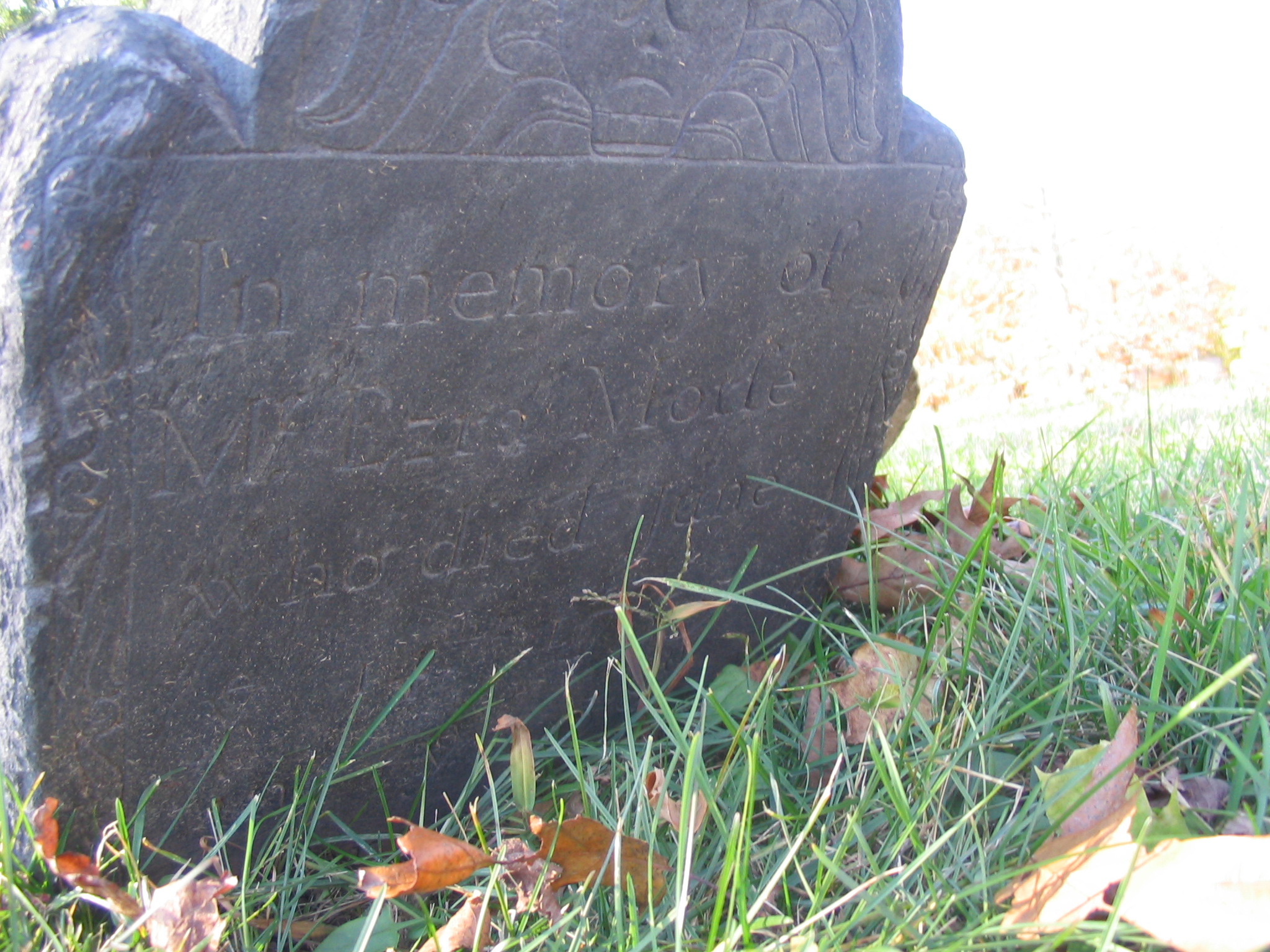
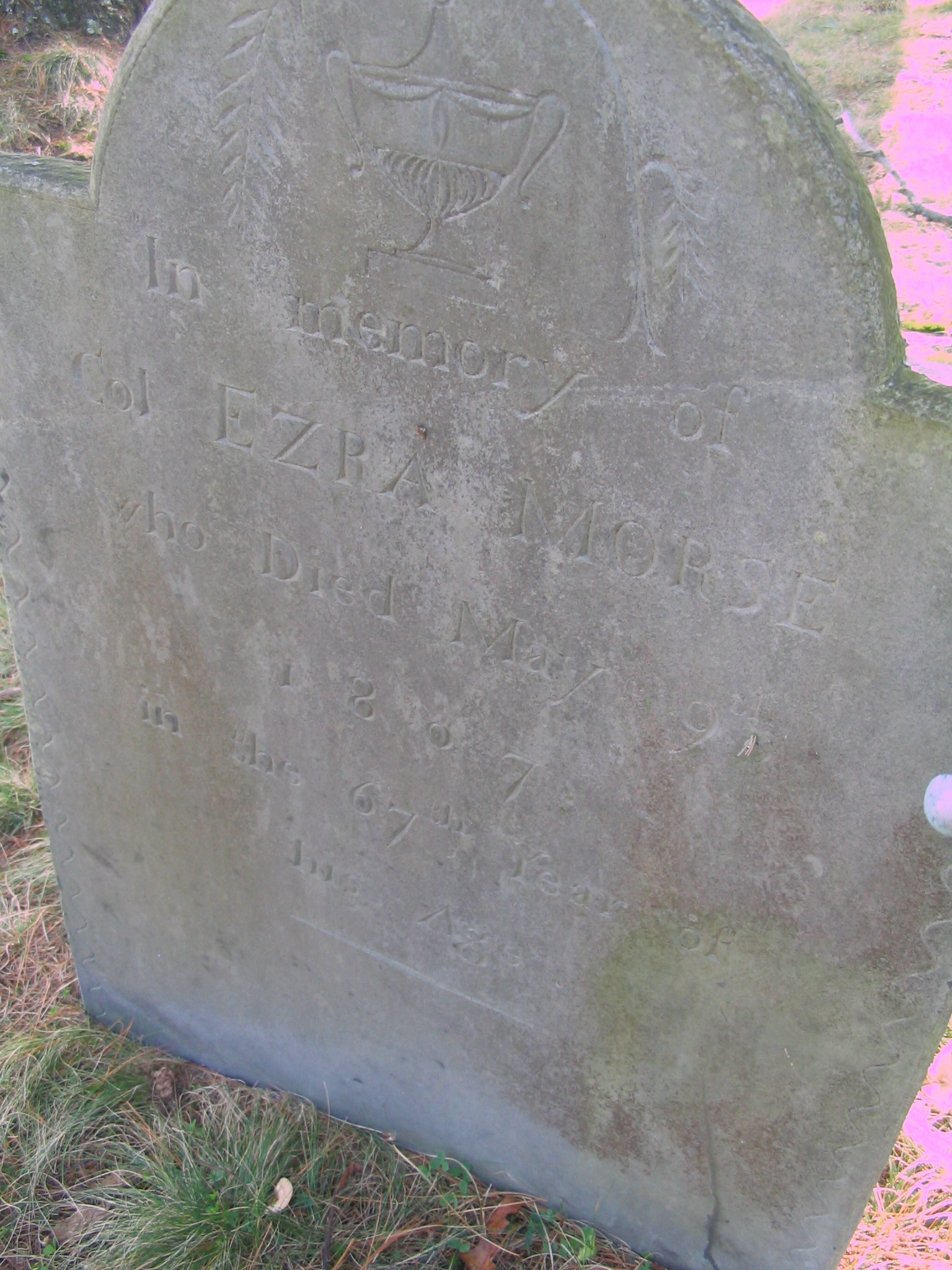
In the 1700s, in New England and probably in other geographical areas as well, parents often named their children after their parents and themselves. This means their children often followed the same naming patterns. So if Henry Brown had six sons, (one being a Henry Brown) they each may have a Henry Brown and within two generations, a town may have eight Henry Browns living in their borders! This does NOT mean they were recorded as Henry Brown Sr., Henry Brown Jr., and six Henry Brown IIIs in official records. So how did officials record all these different Henrys?
When I first started doing genealogy, I thought the modern day use of Sr., Jr., etc. was also the historical norm, until I began to transcribe the records of the Second Parish of Dedham (now the First Church of Norwood). As I was working my way through some of the earliest records, I came across Ezra Morse, Ezra Morse Junior, and Ezra Morse Tertius. I had not seen the term “Tertius” before and had to look it up. An online dictionary said it meant “third, the ordinal number after secundus (second), and before quartus (fourth).” In researching this Morse family, I found this is a grandfather, father, and son, but in researching other men with the “Jr.” suffix, I have discovered the “Jr.” does not necessary mean a father and son. It often indicates that the “Jr.” is the younger of the two men living in town. So when you come across the use of “Jr.” do not simply assume you have a son named after his father, and add a “Sr.” to your tree. You could be wrong and when you figure that out, you will have to start lopping of branches of your tree. Do a little research first and to make sure you have a correct entry right at the start!
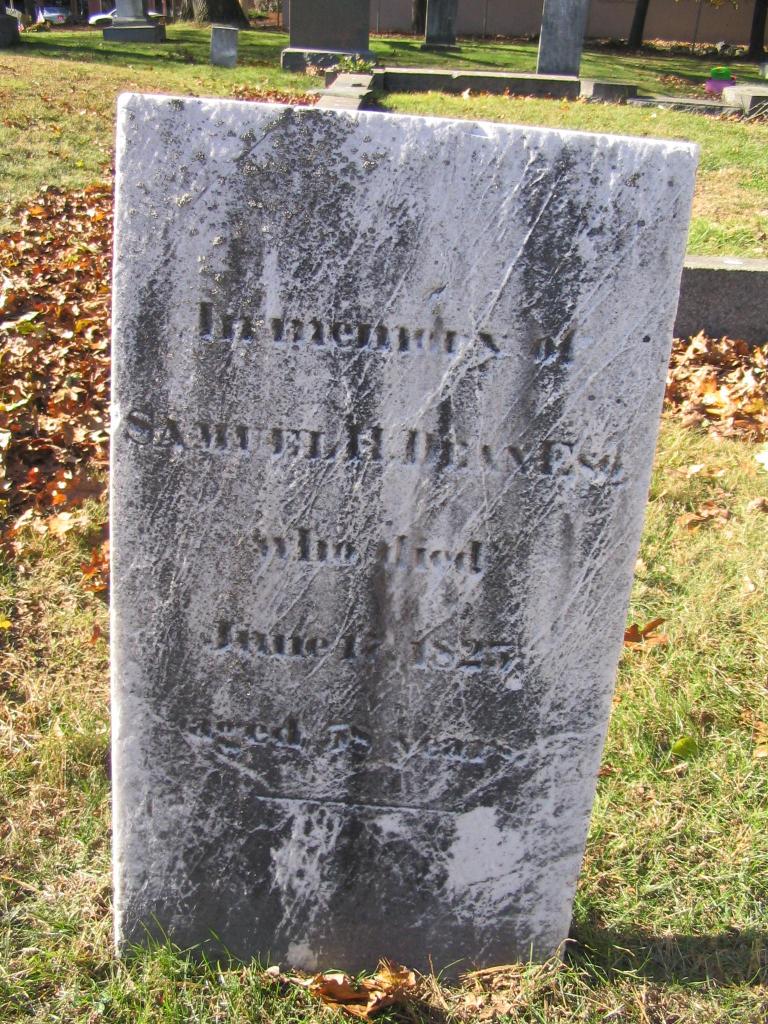
It is interesting to note the suffix, “Esq.” (which means “Esquire”) is often found on headstones and legal documents of men who lived in the eighteen century. Today we know this term is associated with the legal profession. People who are lawyers often have the suffix Esq. after their names, and as a society, we instantly know they are lawyers. However, earlier usage of the term Esq. does not mean that our ancestors were necessarily lawyers. Understanding how this term was used in the 1700s and early 1800s will help us understand more about our ancestors.
In the eighteenth century, the term Esquire meant gentleman, someone who had social stature in the community. This notion often confused me when I came across this term as I was doing local history, and knew this particular “Esq.” was neither a lawyer nor a gentleman because he had come from very humble beginnings. As I began to understand the term by delving deeper into local history, I learned that these men of humble beginnings were titans of local industry, rising to become quite wealthy. As they rose in social standings they often took leading roles in local government or in churches. The term Esq., being tacked on to the end of their name, reflects how they were seen within their local community. We begin to see “Esq.” being used as we know it today around the mid 1800s. So be careful and check the history of your ancestor to confirm if they were a community gentleman or a local lawyer.
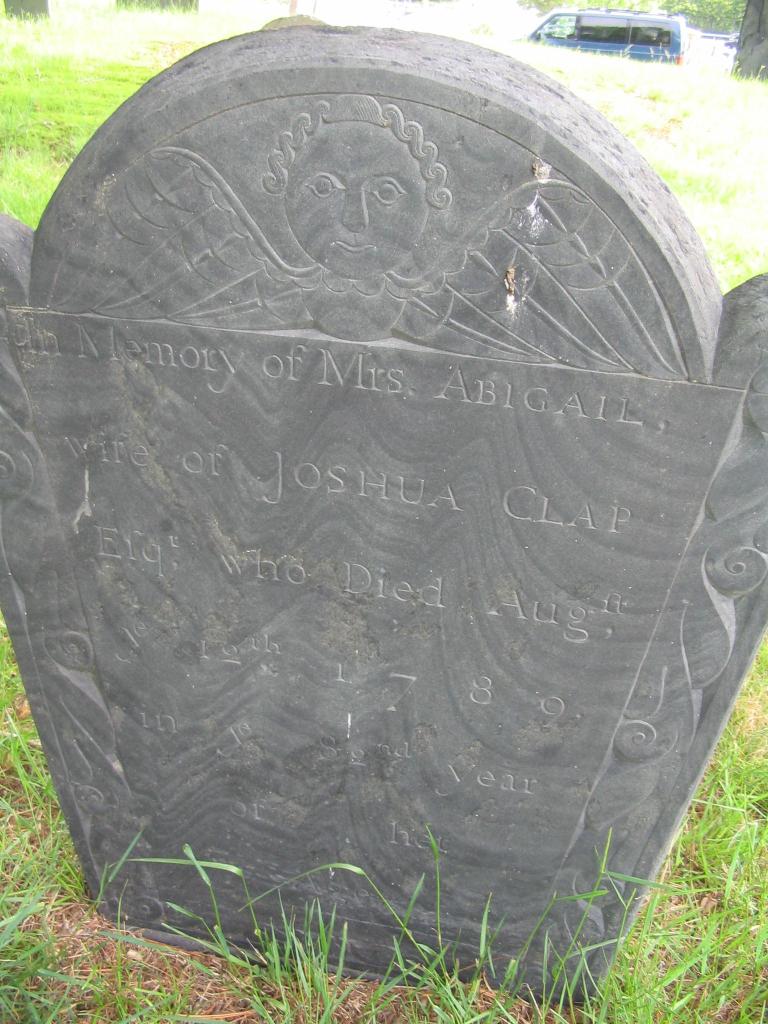
Although the use of such prefixes as Mr., Mrs., and Dr., have remained unchanged over the centuries, knowing a little about their initial meanings is interesting! The term “Mr.” we know to be an abbreviation of the word “mister.” However, its initial roots were in the word “master,” and the word “mister” evolved out of the abbreviation, as people attempted to pronounce the “m” and the “r” as a word. The prefix “Mrs.” is an abbreviation of the word “mistress” and is associated with a married woman. It should be noted the prefix “Miss” also comes from the word “mistress” but is associated with an unmarried woman. However, in the eighteenth century the abbreviations Mrs. and Miss were used interchangeably. I have seen many marriage documents recording a Mrs. Sarah Jones marrying Mr. So-in-so. This often confused me as other records indicated Mrs. Sarah Jones was really Miss Sarah Jones. Now I understand the interchangeability of Mrs. and Miss and do not fret about how they are being used….but this does not mean that I do not research to confirm if the ancestor in question was married or not! So, it is important to not only understand the old usage of prefixes and suffixes tacked on to names, but it is equally important to research the use of these prefixes and suffixes on the name of your ancestors, as it will make your research more accurate.
 Laurie L. Kearney