

So you’ve taken a DNA test, mailed it off and now you wait. Sometimes that six-week wait seems like a lifetime, especially if you are hoping to solve a family mystery. The thing is you want to be prepared when those results are in your in-box. You are going to end up with a long list of cousins. Those that you share a higher cM with are most likely going to be people you actually know, and when you get into the third or fourth cousin realm, well, they will be people that you don’t know. So you are going to want to be ready to recognize who these cousins are and how they fit into your tree.
I believe that when someone is new to genealogy, they build a rather skinny tree. Basically, self, parents, grandparents, great-grandparents and so on; perhaps with a goal to see how far they can go back. So thinking about your DNA results are going to give you a list of people who are here now….kind of like a family tree in reverse. So it is time to fill out your skinny tree and make it as robust as you possibly can!
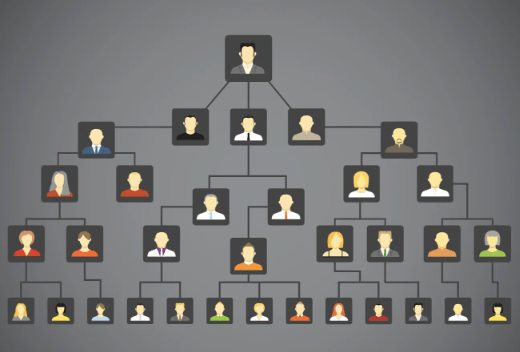
Starting with you, add in your siblings and their children. Then go to your parents and add in all your aunts & uncles and (your first) cousins, and their (your first cousins once removed) children. Then go to your grandparents, add their siblings, and their children, and their children’s children (your second cousins), and their children (your second cousins once removed). Go back for several generations, bringing each line forward, so your third cousins and fourth cousins are now in your tree. Look at the records you are using to fill out your tree. Primary sources are key to having an accurate tree. Don’t accept someone else’s tree…they just may have some errors in their tree that will infect your growing tree. If you get stuck, well that is OK. Don’t enter wrong information. Stop there and start growing another branch. If you have a question, like “who is my birth grandfather?”- there will be a branch in your tree that has not sprouted yet, and that is fine. Once you have filled out all these new branches, it will help you feel knowledgeable about the some of the matches you see when your results come in.
I have used several DNA sites and really like Ancestry the best. They encourage people to build trees, and they have a very large DNA database. So, you will get a ton of new cousins! Ancestry’s database + family trees + the tools they have, is fabulous for figuring out all these new cousins and how they are related to you! You can sort your matches, by parent, and then you can sort those matches again by surname, or if you have a shared ancestor, or by shared DNA. You can attach a (private) notes to these matches, (they cannot see it), you can color code matches. Play with the tools they have to offer, see how they work and what works best for you. There is a tool for you to identify your cousins (“do you recognize this person”) and attach them to your tree. You will defiantly have cousins you cannot figure out where they fit into your tree. If they have a family tree linked to their DNA kit, you can click on it and check for common ancestors…or common surnames.
Having such a robust family tree will certainly help you understand your family tree better, and bring a whole new level to the results you will get. Sure, it is fun to know about your ethnic percentages…. but having a tree with all these new cousins it can take your DNA findings to a whole other level!
Please note, If you are trying to find a mystery ancestor, there are many search angels out there who can help you find a missing family member and help you with the best way to approach them. Having an accurate robust family tree will help them with your search too! You can find a search angel on may Facebook DNA sites.

 Laurie L. Kearney